
Posted on
July 14, 2026
The Invisible Patients: When a Child Suffers. an Entire Family Suffers
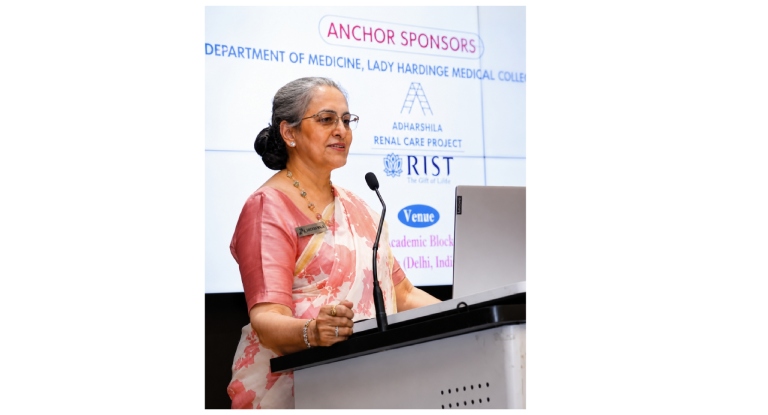
My journey into renal care did not begin in boardrooms, project reviews, or hospital meetings. It began as a caregiver. Like many caregivers, my days were filled with hospital visits, medical appointments, treatments, and a constant search for hope. Each day focused on survival, progressing step by step, report by report, and prayer by prayer.
At the time, I did not realise that caregiving was transforming me in ways I could not yet understand. Years later, through the Adharshila Renal Care Project and our work, I came to understand an often-overlooked aspect of healthcare systems:
When a child suffers from a serious illness, the child is not the only patient. The parents suffer. The siblings suffer. The entire family carries the burden of the diagnosis.
Parents experience a pain that is hard to express. They grieve while their child is still alive and fear the future while striving to remain hopeful. They face sleepless nights, emotional exhaustion, financial strain, social isolation, and ongoing uncertainty about the future.
Many quietly ask themselves: Why my child? Why us? Why this journey? These are not medical questions. They are profoundly human ones.
As healthcare professionals and change-makers, we often measure success by the infrastructure we build, the treatments we provide, and the lives we save. While these are important, every pediatric kidney patient has a family striving to remain stable emotionally, financially, and psychologically.
This understanding changed my perspective on healthcare forever. Healthcare is not only about treating disease. It is also about preserving dignity, reducing suffering, and supporting families through their most difficult moments.
This belief lies at the heart of the work we do at Adharshila Trust. Through the Adharshila Renal Care Project, we aim to bridge critical gaps in renal healthcare for underserved communities. Our work goes beyond dialysis and treatment support, focusing on a compassionate care ecosystem that includes early screening, patient education, diet counselling, community awareness, and family support.
This holistic approach is essential because kidney disease often leads to other health issues. Renal impairment strains the cardiovascular system, and children with chronic kidney conditions face higher risks of hypertension, cardiac stress, long-term heart complications, anemia, bone disorders, and growth delays. Early intervention in renal health also serves as preventive care for the heart and body, reinforcing the need to treat both the child and the family.
In less than a year, this initiative has reached over 87,000 people through renal care interventions, community outreach, dialysis support, and preventive healthcare services.
This progress would not have been possible without strong partnerships built on shared purpose. We are deeply grateful to DLF Foundation for their unwavering support for these health initiatives. This commitment to improving healthcare access for vulnerable communities has enabled a meaningful, lasting impact, bringing hope and dignity to thousands of families facing health challenges.
My personal journey taught me that pain can either isolate us or inspire change. I chose to create change. While we may not always change a diagnosis, we can change how families experience their journey. We can replace isolation with support, fear with knowledge, and despair with hope.
When we care for a child, we must also care for the family. Only then can healthcare become truly healing.
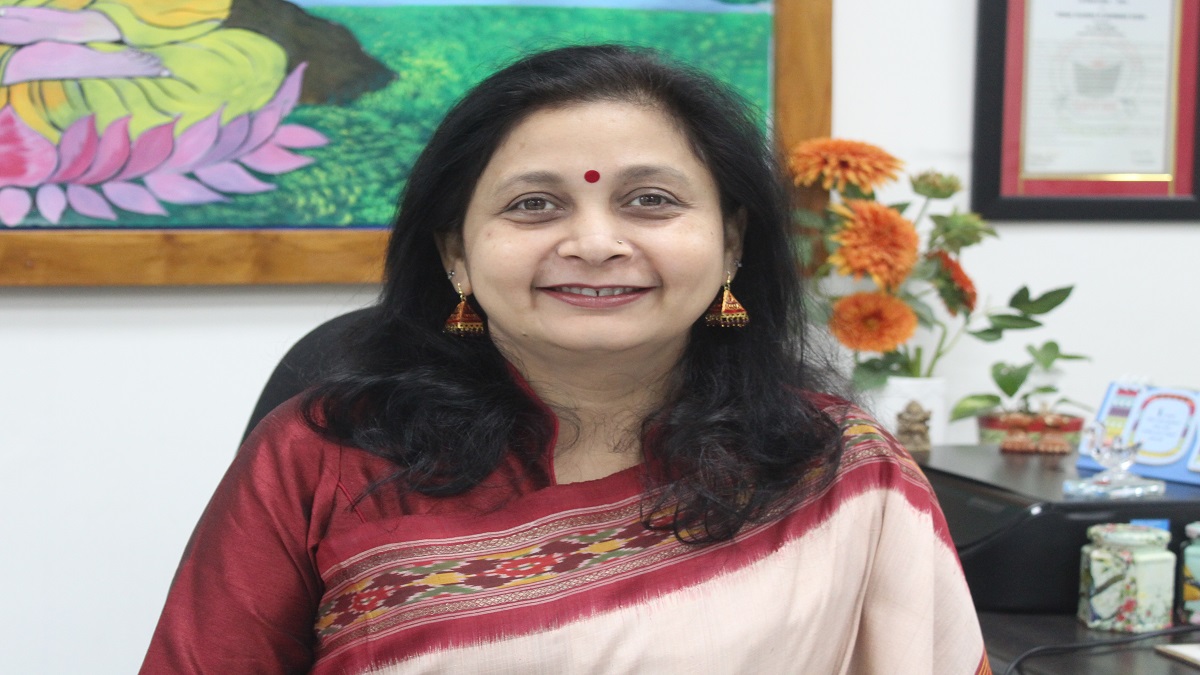
By Neena Jolly,
Trustee, Adharshila Trust
Featured in Glimpses, July 2026
Learn more about the Initiative
Disclaimer: The views expressed in the article above are those of the authors’ and do not necessarily represent or reflect the views of DLF Foundation & Trusts. Unless otherwise noted, the author is writing in his/her personal capacity. They are not intended and should not be thought to represent official ideas, attitudes, or policies of any agency or institution.
Most Popular

All © reserved to DLF Foundation